PNG’s MRDC accelerates Hela build-out
Papua New Guinea’s MRDC is channeling LNG royalties into four new Hela Province projects, aiming to convert gas wealth into jobs and local assets. Success now depends on transparent execution, cost control, and measurable gains in service delivery.

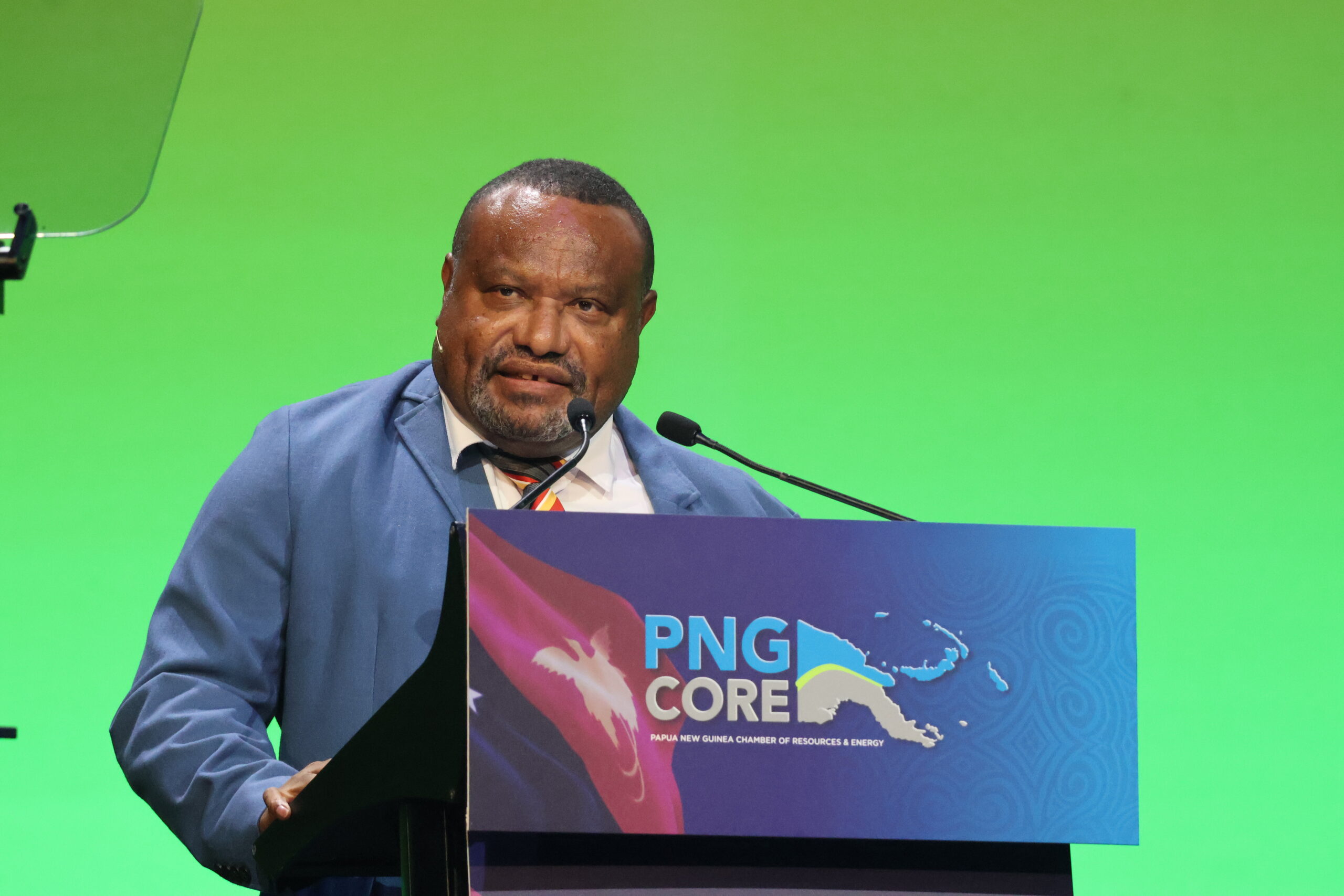
Papua New Guinea’s Mineral Resources Development Company (MRDC) is redirecting LNG revenues into domestic investment, unveiling four development projects in Hela Province alongside confirmed royalty releases to PNG LNG landowners. Agreements signed in Tari on 17 October establish the framework for implementation, while concurrent updates show royalty payments being processed through the PNG Business News channel. For Hela—heartland of PNG’s gas economy—the mix of cash transfers and anchor projects aims to close a persistent gap: converting headline resource income into tangible local assets, employment, and resilience.
The initiative’s economics rest on three key dynamics. Royalty flows inject liquidity into households dominated by informal income sources, but their impact depends on local market depth. MRDC’s infrastructure commitments in health, education, housing, and SME support could raise productivity if procurement remains transparent and project pacing matches community capacity. Well-governed execution also reduces social tensions that have long disrupted operations and inflated costs in PNG’s resource corridor. The main challenge is not announcement but delivery—project oversight, contractor quality, and monitoring discipline will decide whether capital spending translates into lasting benefits.
The broader macro backdrop is fragile. Fiscal buffers remain thin, arrears periodically spill into frontline services, and defence obligations expose state-capacity limits that risk crowding out social investment. In this environment, MRDC’s corporate balance sheet plays a stabilising but increasingly scrutinised role. Its governance standards, cost efficiency, and community engagement practices will determine both legitimacy and multiplier strength. LNG exports continue to anchor the country’s external accounts, and steady progress in Hela could enhance security around critical infrastructure and reinforce investor confidence. Over the next year, execution milestones will matter more than spending totals.
Looking ahead to 2026, the test will be whether royalty disbursements reach intended beneficiaries, projects meet milestone and cost benchmarks, and social indicators—school attendance, clinic use, small-business formation—improve measurably in host areas. The likely trajectory points to gradual progress with isolated success stories; yet governance friction or cost overruns could still blunt impact and delay replication across other provinces.